
Think about it – those spring flowers are like nature’s way of saying, “Hey, wake up and smell the roses!” They bring a touch of class, a burst of colors, and a whiff of freshness that just makes your garden go from “meh” to “wow.” Let’s dive into the simple joy of bringing the lively spirit of spring flowers into your everyday garden.
So, in gardens all over the place, people have been doing this forever – jazzing up their outdoor spots with the colors and vibes of spring flowers. It’s not some fancy thing; it’s just a good old celebration of nature doing its thing. The beauty of those petals popping open and the mix of colors aren’t just for show; it’s about feeling the seasons change, and hey, who doesn’t love that?
And here’s the cool part – whether you’re the kind of person who likes a sleek, modern garden or you’re more into the classic, old-school vibes, these spring flowers work for everyone. They’re like the chameleons of the garden world, fitting in wherever they go. The whole world, no matter where you are, seems to agree – there’s something about the rebirth of nature in spring that just makes people want to fill their gardens with these lively, blooming flowers.
So, go ahead, get creative in your garden. Plant all kinds of flowers, play with different colors, and just let your garden be this canvas of natural beauty that everyone, no matter how green their thumbs are, can enjoy. It’s like giving your little patch of the world a splash of life and saying, “Hey, look at my awesome garden – isn’t it just a bit more cheerful with these spring flowers?”
1. Tulips Symbolizing the arrival of spring, tulips come in a kaleidoscope of colors, from vibrant reds to soft pastels.
Tulips, those classic beauties representation of the spring season. You know, when you see those colorful blooms, you just know winter’s finally packing up, and the good vibes are rolling in. With their fancy cup-shaped petals and tall, graceful stems, tulips are the MVPs of the flower world, showing up in every shade imaginable, from sassy reds and sunny yellows to soft pinks and pure whites. It’s like they took a page out of the “How to Make Gardens Look Amazing” handbook.
Originally from Central Asia, tulips made their way to the Netherlands and became a big deal during the 17th century. Back then, people were so into tulips that they were practically trading them like gold. Fast forward to today, and tulips are still stealing the show, popping up in gardens, parks, and basically anywhere people want to add a splash of color. They’re like the universal crowd-pleasers of the floral world, fitting right in whether your garden’s all fancy or just a chill, laid-back space.
Watching tulips do their thing, from those first sprouts in early spring to the grand finale of blooming petals, is like getting a front-row seat to nature’s coolest show. They’re not just flowers; they’re like the mood-lifters of the garden, giving off those good vibes that make everyone go, “Yep, spring is here, and life is looking up.” So, whether you’re a seasoned green thumb or just starting your gardening adventure, you can’t go wrong with throwing in some tulips. They’re like the OGs of making any space look instantly better and a bit more cheerful.

Planting Tulips:
Choose a sunny spot with well-drained soil to plant tulips in the fall, about 6 to 8 weeks before the ground freezes. Ensure the area receives at least 6 hours of sunlight daily. Loosen the soil to 12 inches deep, add organic matter for drainage, and plant bulbs 6 to 8 inches deep, pointed end up, spaced 4 to 6 inches apart. Water thoroughly after planting to settle the soil.
Caring for Tulips:
Water tulips regularly, keeping the soil consistently moist but not waterlogged. Apply mulch for moisture retention, weed suppression, and temperature regulation. Fertilize with a balanced, slow-release fertilizer in early spring when tulips emerge. Deadhead spent flowers to divert energy into bulb development.
Post-Blooming Care:
Allow tulip foliage to yellow and wither naturally before removing it. This process helps the bulb gather nutrients for the next season. Be vigilant against pests like deer and rodents, employing protective measures if necessary.

General Tips:
Adapt care based on your local climate and tulip variety. With these basic steps, you’ll enjoy the vibrant blooms of tulips in your garden each spring.
2. Welcoming Spring: The Charm of Daffodils in Your Garden
Among the many heralds of this season, daffodils stand out with their bright and cheerful blooms, bringing a touch of joy to gardens. Planting and caring for these iconic flowers is not just a horticultural task; it’s an invitation to witness the magic of nature unfold.
Planting Daffodils: A Fall Tradition
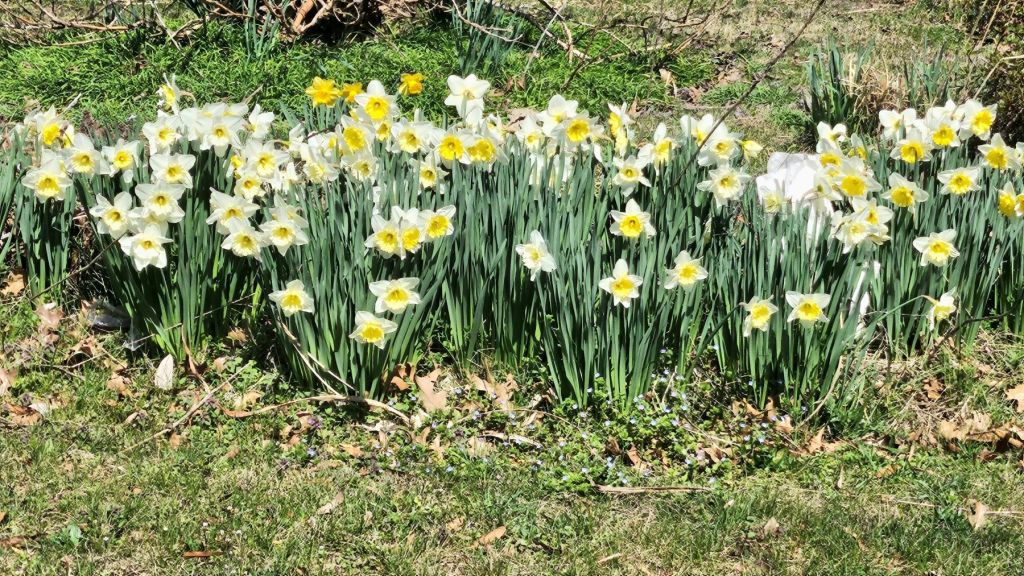
The journey of cultivating daffodils begins in the crisp days of fall. Before the ground freezes, it’s time to plant these resilient bulbs. Choosing a well-drained location with ample sunlight is key to ensuring the success of your daffodil bed. With a trowel in hand, dig a hole about 6 to 8 inches deep, placing the bulbs with their pointed ends facing upward. For a natural look, consider planting them in clusters, allowing the bulbs to establish a harmonious presence in your garden.
Caring for Daffodils: Nurturing Nature’s Elegance
Once planted, daffodils don’t demand an abundance of attention, making them an ideal choice for both novice and seasoned gardeners. Water them after planting to settle the soil and initiate root development. As winter transitions to spring, these delightful flowers begin to emerge, offering a visual spectacle that requires minimal effort on your part. Deadheading spent flowers encourages the daffodils to redirect their energy into bulb development, ensuring a hearty display for the following year.
Post-Blooming Grace: A Gardener’s Patience Rewarded
As the spring blooms wane and the vibrant petals fall, resist the urge to hastily tidy up your daffodil bed. Allow the foliage to naturally yellow and wither before trimming it back. This seemingly unglamorous phase is crucial, as it enables the bulbs to absorb nutrients, preparing them for a spectacular encore in the next spring. Embracing the full lifecycle of daffodils, from bulb to bloom to post-bloom, is a lesson in patience and an investment in the enduring beauty of your garden.
Daffodils: Low-Maintenance Elegance
Daffodils are more than just a pretty face in the garden; they are resilient, low-maintenance additions that offer lasting elegance. Resistant to pests and diseases, these flowers are excellent candidates for naturalizing, creating a perennial display that multiplies with each passing year. With various daffodil varieties boasting unique colors, shapes, and sizes, you can curate a diverse and captivating garden tapestry.

Conclusion: Cultivating Joy in Every Petal
In the springtime, daffodils stand as vibrant brushstrokes, adding joy and elegance to the canvas of your garden. By embracing the simplicity of planting and caring for these iconic flowers, you not only cultivate a visual spectacle but also nurture a connection with the cycles of nature. With every bloom and gracefully withering leaf, daffodils remind us that beauty unfolds in its own time, inviting us to savor the moments of each season. So, as you plant those bulbs and watch the first shoots emerge, know that you’re not just growing flowers; you’re cultivating a garden of joy and timeless beauty.
3. Cherry Blossoms:
Celebrating Spring’s Splendor: Planting and Caring for Cherry Blossoms
Cherry blossoms, with their delicate and ephemeral beauty, symbolize the arrival of spring in a breathtaking display of nature’s artistry. Planting and caring for these iconic flowering trees is an enchanting endeavor that promises to turn your garden into a vision of pink hues. Let’s embark on a journey to uncover the secrets of cultivating and nurturing cherry blossoms, the stars of spring.
Planting Cherry Blossoms: Crafting Nature’s Canopy
Planting cherry blossoms begins with careful consideration of the location and soil. Choose a site with well-drained soil, and ensure it receives full sunlight for optimal bloom. Cherry blossoms thrive in slightly acidic to neutral soil. When planting, dig a hole twice as wide as the root ball, and place the tree at the same depth it was in the nursery container. Once settled, water thoroughly to help the roots establish in their new home.
Caring for Cherry Blossoms: Tending to Graceful Blooms
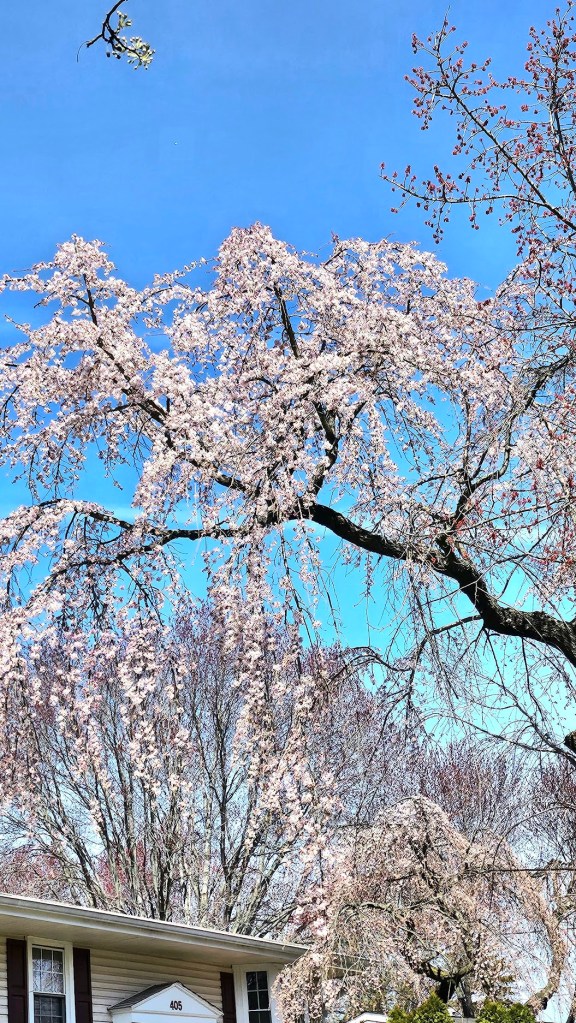
Cherry blossoms, also known as sakura, are relatively low-maintenance once established, but they do benefit from some thoughtful care. Regular watering, especially during dry spells, is crucial during the tree’s early years. Applying a layer of mulch around the base helps retain moisture, suppress weeds, and regulate soil temperature. In the spring, before the buds open, a balanced fertilizer can be applied to promote healthy growth and abundant blooms.
Cherishing the Blooms: A Transient Beauty
Cherry blossoms enchant with their fleeting beauty, and as such, their blooms deserve to be celebrated. The delicate petals last for about two weeks, creating a spectacular show that is as ephemeral as it is captivating. Embrace the brief but enchanting flowering period by organizing gatherings or picnics under the blossoming branches, a practice deeply rooted in the Japanese tradition of hanami, or flower viewing.
Seasonal Pruning: Shaping Elegance
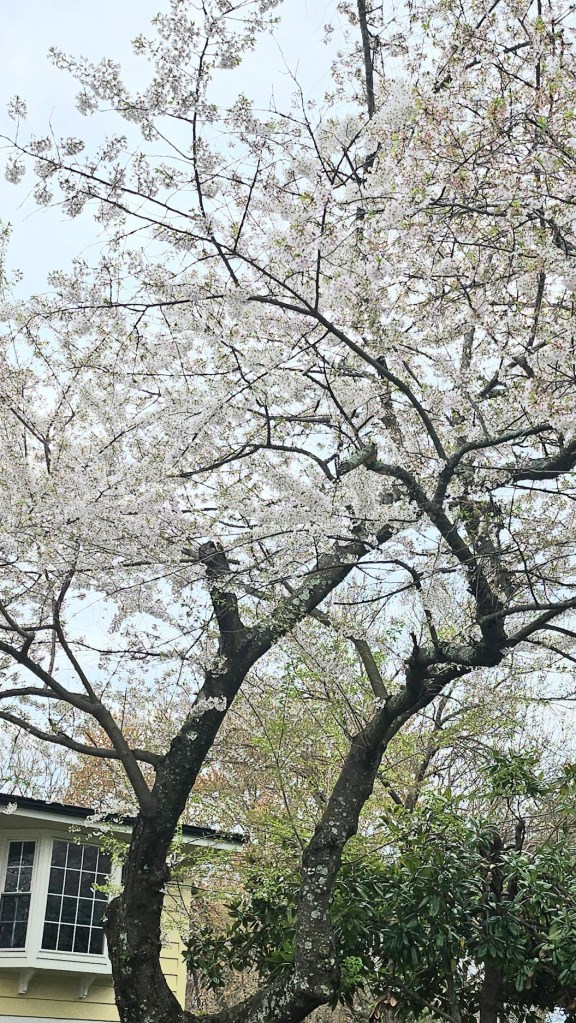
Pruning cherry blossoms is an art that involves shaping the tree while preserving its natural grace. Late winter, when the tree is dormant, is an ideal time for selective pruning. Remove dead or diseased branches, crossing branches, and any growth that interferes with the tree’s structure. Pruning not only enhances the tree’s aesthetic appeal but also improves air circulation, reducing the risk of diseases.
Cherry Blossoms: A Symbol of Renewal and Beauty
Beyond their visual allure, cherry blossoms hold cultural and symbolic significance. Originating in Japan, these blooms represent the transient nature of life, the beauty of fleeting moments, and the promise of renewal. Planting and caring for cherry blossoms is not just about gardening; it’s a celebration of the cycles of nature and an opportunity to create a haven of beauty in your own backyard.
In the dance of pink petals and the gentle fragrance of cherry blossoms, we find a timeless connection to the wonders of spring. As you plant and care for these graceful trees, you’re not just cultivating a garden; you’re weaving a narrative of renewal, beauty, and the enduring magic of nature’s seasonal symphony.
4. Effortless Beauty: Growing and Nurturing Creeping Flax in Your Garden
Cultivating the beauty of creeping flax in your garden is a breeze, as this plant is incredibly easy to grow and has been a resilient part of my garden for years. Whether you’re an experienced gardener or just starting, the process of planting and caring for creeping flax is straightforward, yielding lasting elegance to enhance your outdoor space.
Planting Simplicity: Sunlight and Soil Harmony
Creeping flax thrives effortlessly, requiring only well-drained soil and a preference for full to partial sunlight. Choosing the perfect spot involves finding a location with ample sunlight exposure, allowing the plant to showcase its vibrant foliage and graceful form. When planting, ensure the spacing is just right, providing each flax plant with room to spread its natural charm.

Low-Maintenance Elegance: Watering and Mulching Wisdom
Once in the ground, creeping flax continues to shine with its low-maintenance allure. While it appreciates thorough watering initially, it becomes remarkably drought-tolerant once established. To keep things simple and maintain optimal conditions, a layer of organic mulch around the base works wonders, retaining moisture, keeping weeds at bay, and regulating the temperature for these easygoing plants.
Minimal Effort, Maximum Appeal: Pruning and Fertilizing Tips
Keeping up with the minimal care needs of creeping flax involves occasional pruning and minimal fertilization. A balanced, slow-release fertilizer in the spring contributes to healthier growth and vibrant foliage, while simple pruning with clean shears helps maintain the plant’s shape and removes any undesired growth.
Time-Tested Resilience: Creeping Flax as a Landscaping Gem
With its arching leaves and stunning hues, creeping flax proves to be a versatile landscaping gem. Whether adorning borders, serving as a ground cover, or gracing decorative containers, this plant effortlessly elevates the aesthetics of your garden. Its time-tested resilience has made it a consistent and charming presence in my garden, bringing an enduring sense of beauty without demanding much in return.

In conclusion, introducing creeping flax to your garden is an invitation to experience the simplicity of growth and the enduring beauty of nature. As you effortlessly cultivate this elegant plant, it becomes not just a part of your garden but a testament to the ease and grace that nature can bring to your outdoor sanctuary.
5. The Timeless Elegance of Pink Magnolia Flowers: A Celebration of Nature’s Beauty
The Magnolia in Bloom:
Each spring, as the world awakens from its winter slumber, the pink magnolia bursts forth in a riot of color, adorning gardens, parks, and landscapes with its resplendent blooms. Its arrival heralds the arrival of warmer days and new beginnings, filling the air with its sweet, intoxicating fragrance.
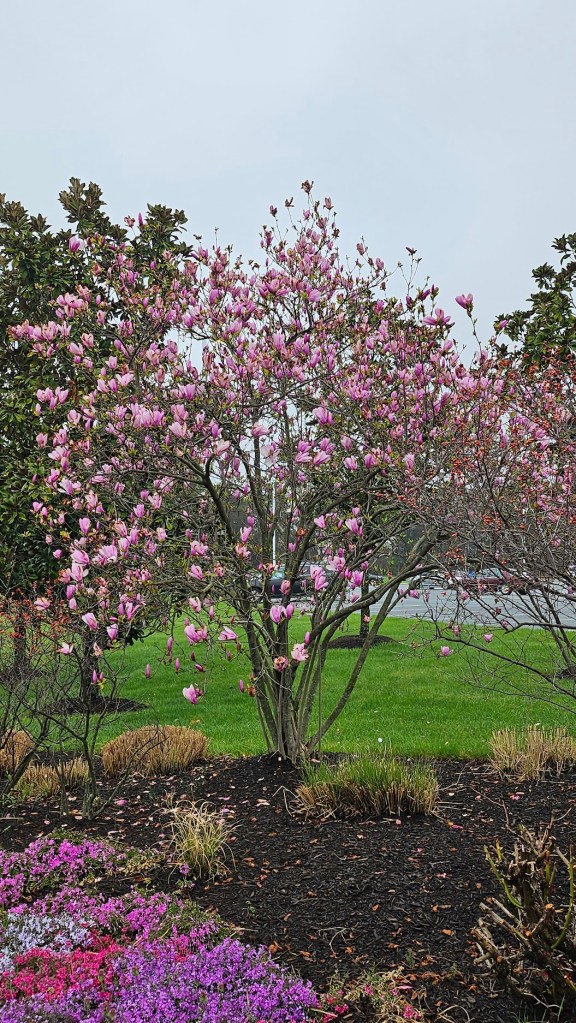
With its delicate petals unfolding in hues of soft pink and rose, the magnolia stands as a testament to the delicate balance of strength and grace found in the natural world.
Symbolism and Significance:
Throughout history, the pink magnolia has been associated with various symbolic meanings, ranging from femininity and love to nobility and perseverance. In Asian cultures, it is revered as a symbol of purity and perfection, often depicted in art and literature as a representation of feminine beauty and grace.
In Western societies, the magnolia carries connotations of dignity and strength, symbolizing the enduring beauty that withstands the test of time. Its vibrant pink hue evokes feelings of romance, tenderness, and affection, making it a popular choice for weddings, anniversaries, and other special occasions.
Caring for Magnolia Trees:
For those fortunate enough to have a magnolia tree in their garden, caring for these majestic beauties requires a delicate touch and a bit of patience. Magnolias thrive in well-drained soil and partial sunlight, and regular watering is essential to keep them healthy and vibrant. Caring for your magnolia tree involves providing it with the right growing conditions and minimal maintenance to ensure its health and beauty. Choose a sunny to partially shaded location with well-drained soil, and plant your magnolia at the appropriate depth, allowing its roots to spread comfortably. Water your tree deeply and regularly, especially during dry spells, but avoid overwatering to prevent root rot. Mulching around the base of the tree can help retain moisture and suppress weeds. Pruning is generally unnecessary, but you can remove dead or damaged branches as needed. Fertilize sparingly in early spring, and monitor for pests and diseases, taking prompt action if necessary. With these simple care practices, your magnolia tree will flourish, gracing your garden with its elegant blooms and adding beauty to your outdoor space for years to come.

Conclusion:
In a world filled with chaos and uncertainty, the pink magnolia serves as a gentle reminder of the beauty that surrounds us and the resilience of the human spirit. Its ephemeral blooms speak to the fleeting nature of life, urging us to cherish each moment and embrace the beauty that lies around us.
As we bid farewell to the pink magnolia until next spring, let us carry its essence in our hearts, a beacon of hope and inspiration in our journey through life’s ever-changing landscape.
Cheddar’s Place
 Cheddar's Place